


7 Essential Cold Weather Survival Tips to Stay Safe & Warm

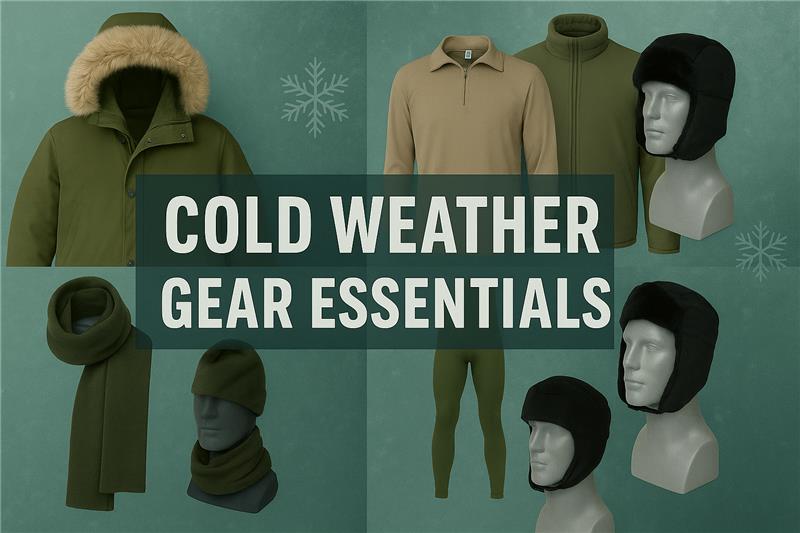
When temperatures drop, the key to thriving in cold conditions isn’t just endurance - it’s preparation. At Colemans, we’ve gathered tried-and-true cold-weather survival tips to help you stay safe, dry, and comfortable whether you’re hiking, camping, or working outdoors this winter.
1. Layer Your Winter Clothing for Maximum Warmth
Proper layering is the foundation of cold-weather gear. Start with a moisture-wicking base layer (avoid cotton), add an insulating mid-layer such as fleece or a military wool blanket, and finish with a waterproof, wind-resistant shell.
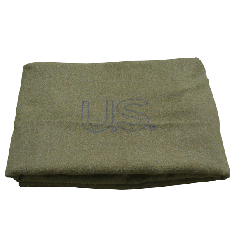
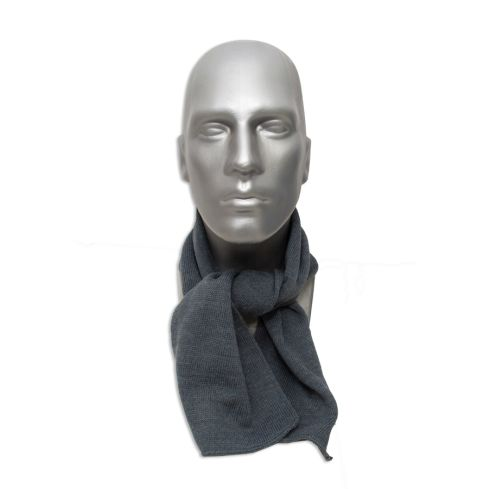
This system locks in warmth while keeping cold air and moisture out. Don’t forget essential winter accessories like wool hats, scarves, and insulated gloves - your head and hands lose heat fastest.
2. Stay Dry and Block Harsh Winds
Nothing drains body heat faster than wet clothes and wind exposure. Choose cold-weather outerwear designed to repel moisture and protect against gusts. If you begin to sweat, remove a layer to prevent dampness from trapping cold.
A water-resistant army surplus jacket or field parka can make all the difference in maintaining comfort and body heat.
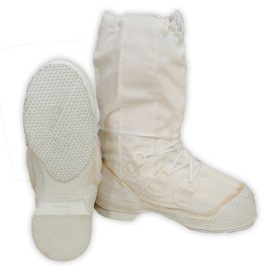
3. Choose the Right Boots and Accessories for Winter Survival
Cold feet can ruin even the most prepared outing. Always wear insulated boots and thermal or wool socks to retain warmth. In snowy conditions, add gaiters or high-ankle coverings for extra protection. Pro tip: mittens keep hands warmer than gloves in extreme cold because your fingers share heat inside a single compartment.
4. Fuel Up and Stay Hydrated in Cold Conditions
Your body burns more calories to stay warm, so keeping your energy up is vital for cold-weather survival. Eat nutrient-rich meals, high in fats and complex carbs, to sustain body heat.
Even if you’re not sweating much, drink plenty of fluids - dehydration sneaks up in the cold. Warm teas, soups, or hot cocoa can boost both warmth and morale.
5. Prepare for Your Environment and Outdoor Conditions
Smart planning is key to staying safe outdoors. Always check the wind-chill factor, temperature forecasts, and daylight hours before heading out.
If you’re in a remote or snowy location, pack essential survival gear: a flashlight, wool blanket, matches, a first-aid kit, and emergency food.
Layering your military-grade clothing and carrying a surplus wool blanket can protect you from hypothermia and frostbite if conditions turn severe.
6. Protect Your Skin and Prevent Cold-Weather Damage
Cold, dry air strips moisture from your skin quickly. Use a rich moisturizer, cover exposed areas with scarves or balaclavas, and avoid long, hot showers that dry skin further.
Even on cloudy days, UV rays can reflect off snow - so consider applying sunscreen to exposed skin.
7. Limit Exposure and Take Smart Outdoor Breaks
When temperatures are extreme, it’s important to pace yourself. If you’re outdoors for long periods, move around regularly to maintain circulation and avoid frostbite.
Take breaks in warm or sheltered areas, and always keep an emergency kit - including a 100% wool military blanket, snacks, and water - in your vehicle or backpack in case of sudden weather changes.
Stay Prepared with Quality Cold Weather Gear from Colemans
Cold weather doesn’t have to keep you indoors. With the right winter clothing, army surplus gear, and military wool blankets from Colemans, you can face the cold confidently and safely.
Browse our collection of surplus wool blankets, field jackets, and cold-weather essentials to make sure you’re ready for whatever winter brings.


About the Author

Comments